

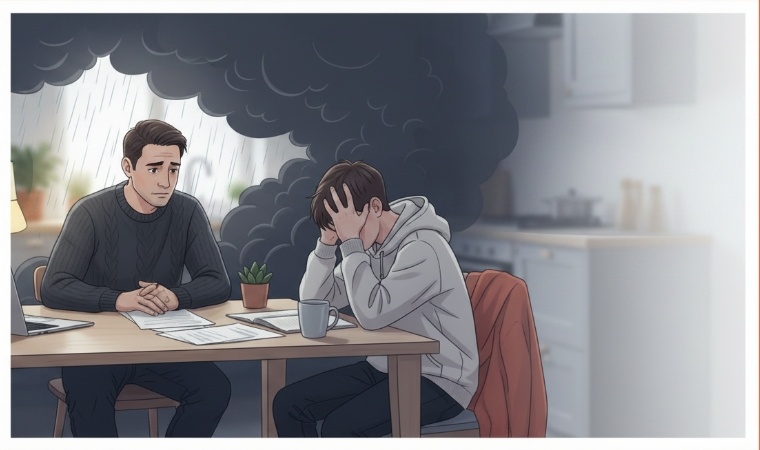
School avoidance and Section 19: did you know?
School avoidance (sometimes still called “school refusal”) is rarely about a child being difficult. More often, it’s a sign that something has become too hard to cope with — anxiety, unmet SEND needs, bullying, trauma, health needs, or a school environment that simply isn’t safe or workable for that child.
Did you know that when a child of compulsory school age can’t attend school, the law can require the local authority (LA) to arrange suitable education under Section 19 of the Education Act 1996?
That duty is often talked about as if it only applies to illness or exclusion. But Section 19 is wider than that.
What you need to know about Section 19 (in plain English)
Section 19(1) places a duty on local authorities to make arrangements for suitable education for children who can’t attend school because of:
- Illness (including physical or mental health)
- Exclusion (with specific timeframes)
- “Or otherwise” — a broad category covering other situations where it’s not reasonably possible for a child to take advantage of existing suitable schooling
That “or otherwise” matters for school avoidance.
If a child is unable to attend due to anxiety, phobia, persistent bullying, chronic fatigue, or risk that can’t be safely managed in school (even with adjustments), the LA may still have a Section 19 duty to step in.
What the LA’s obligations look like
1) The LA must arrange suitable education
“Suitable” means it should match the child’s:
- Age
- Ability and aptitude
- Any special educational needs
It’s not enough to offer something that fills time. The provision should be capable of helping the child make progress.
2) It should usually be full-time
Education under Section 19 should be full-time, unless the LA decides that full-time provision is not in the child’s best interests due to physical or mental health reasons.
“Full-time” isn’t tightly defined in law, but the expectation is broadly comparable to what a pupil would receive in a maintained school.
3) The LA must make decisions properly (and record them)
The LA needs to consider the child’s individual circumstances, take account of the evidence available, and record the reasons for decisions. That matters because families often feel they’re being “fobbed off” with informal suggestions rather than a clear plan.
4) The LA should publish a policy
Statutory guidance says LAs should have a written, publicly accessible policy statement explaining how they comply with their Section 19 duty.
What schools should do (and what they shouldn’t do)
Schools aren’t off the hook just because Section 19 is an LA duty.
Schools should:
- Share evidence early: attendance data, pastoral notes, safeguarding concerns, behaviour logs, bullying records, SEND support plans, risk assessments, medical information (where available).
- Be clear about what’s been tried: adjustments, phased returns, reduced timetables (with review dates), safe spaces, key adult support, alternative start times.
- Escalate promptly when it’s clear the child is (or will be) out of school for a significant period.
Schools shouldn’t:
- Treat the situation as purely a compliance issue (“attendance first, support later”).
- Default to threats, fines, or enforcement without addressing why the child can’t attend.
- Leave parents to “sort something out” with no plan, no referrals, and no timeline.
What parents can do to secure the best education for their child
If your child is avoiding school, you don’t need to fight alone — but you do need to be organised.
- Put everything in writingEmail the school and LA. Keep a timeline: dates, meetings, what was agreed, what didn’t happen.
- Ask directly about Section 19Use clear wording: “My child cannot attend school and needs suitable education arranged. Please confirm what alternative provision will be put in place under Section 19 and by when.”
- Gather evidenceThis can include GP letters, CAMHS involvement, therapist letters, school reports, bullying evidence, and your own written record of symptoms and triggers.
- Request a multi-agency meetingIf anxiety, health, safeguarding, or SEND are in the mix, ask for a joined-up plan. School avoidance is rarely solved by education alone.
- Be cautious about “elective home education”If you formally choose home education, responsibility for education generally shifts to you. That may be right for some families — but don’t feel pressured into it as a way to make the problem disappear.
The bottom line
School avoidance is a signal, not a slogan. The legal framework exists to protect a child’s right to education when mainstream attendance breaks down.
Did you know that Section 19 can apply even when a child isn’t excluded and doesn’t have a visible physical illness? If it’s not reasonably possible for them to attend, the LA may have a duty to arrange suitable education — and schools should be actively supporting that process.
If you’re a parent, keep it written, keep it evidence-led, and keep asking for a clear plan with dates. Your child deserves education that works for them — not just a place on a register.
This blog is for general information, not legal advice.