

Half-Day Provision: a structured way back into learning
A calm, small-group half-day (or full-day) where home educated learners can build confidence, develop life skills, enjoy positive social time, and work towards Maths and English progress/qualifications — without losing the flexibility that home education offers.
Introduction - Alternative Educational Provision
- reliable routine a few days a week
- healthy social interaction with the right support
- qualified staff who understand SEND/SEMH and EBSA
- a relaxed, low-pressure environment that keeps learning moving forward
- the option of recognised qualifications, without forcing a “school-like” experience
Who this is for?
- learn best in a smaller, calmer setting
- need a gentle structure to support motivation and confidence
- have SEND, SEMH, or EBSA needs where pressure and overwhelm can block progress
- want to keep moving forward with Maths and English, while also building wider skills
- would benefit from supported friendships and social time, not forced “mixing”
What a half-day looks like at KRS
- Maths + English learning at the right level (identified early)
- Supported social time (guided, safe, and appropriate)
- Active learning that supports regulation, confidence, and engagement
- PSHE / life skills woven in naturally (communication, choices, routines, independence)
- Sport and movement-based activities to support wellbeing and focus
Why parents choose KRS
- Social interaction with support (not overwhelming, not unmanaged)
- Small group sizes and a calmer atmosphere
- A more relaxed environment where learners can be themselves
- Qualified learning in Maths and English, with clear progress
- Active learning and sport to build confidence and wellbeing
- Life skills and PSHE that support the bigger picture (not just worksheets)


What a half-day looks like at KRS
- Maths + English learning at the right level (identified early)
- Supported social time (guided, safe, and appropriate)
- Active learning that supports regulation, confidence, and engagement
- PSHE / life skills woven in naturally (communication, choices, routines, independence)
- Sport and movement-based activities to support wellbeing and focus
Why parents choose KRS
- Social interaction with support (not overwhelming, not unmanaged)
- Small group sizes and a calmer atmosphere
- A more relaxed environment where learners can be themselves
- Qualified learning in Maths and English, with clear progress
- Active learning and sport to build confidence and wellbeing
- Life skills and PSHE that support the bigger picture (not just worksheets)

Qualifications + direction
- building up to Maths and English qualifications
- improving routine and readiness for learning
- developing confidence, communication, and independence
- preparing for a next step that makes sense for your young person
Our “right level first” approach
Outcomes
- more consistent engagement with learning
- improved confidence and willingness to try
- stronger communication and social comfort
- progress in Maths and English (including qualifications where appropriate)
- better wellbeing and readiness for the next stage
EOTAS
- Enquire about September places
- Book a parent/guardian call
- Ask about EOTAS options

NCFE Functional Skills
NCFE Functional Skills in English and Maths gives learners a clear, recognised route to real progress — whether they’re rebuilding confidence, catching up, or getting ready for what comes next. At KRS, we offer Functional Skills to all students attending our Alternative Educational Provision (AEP), as part of a structured plan with consistent support and clear goals. It’s also at the heart of our KS4 Progress Pathway 18-week programme, helping young people secure the qualifications that open doors to apprenticeships, training, and positive post-16 destinations. And it’s not just for school-age learners — our adult Functional Skills classes provide a supportive, practical way to strengthen everyday skills, improve employability, and take the next step with confidence. If you’re exploring Functional Skills for a student, a small group, or yourself, we’d love to hear from you — enquiries are always welcome.
Sheffield home education: building English and Maths qualifications, confidence and connection
Therapies & Interventions
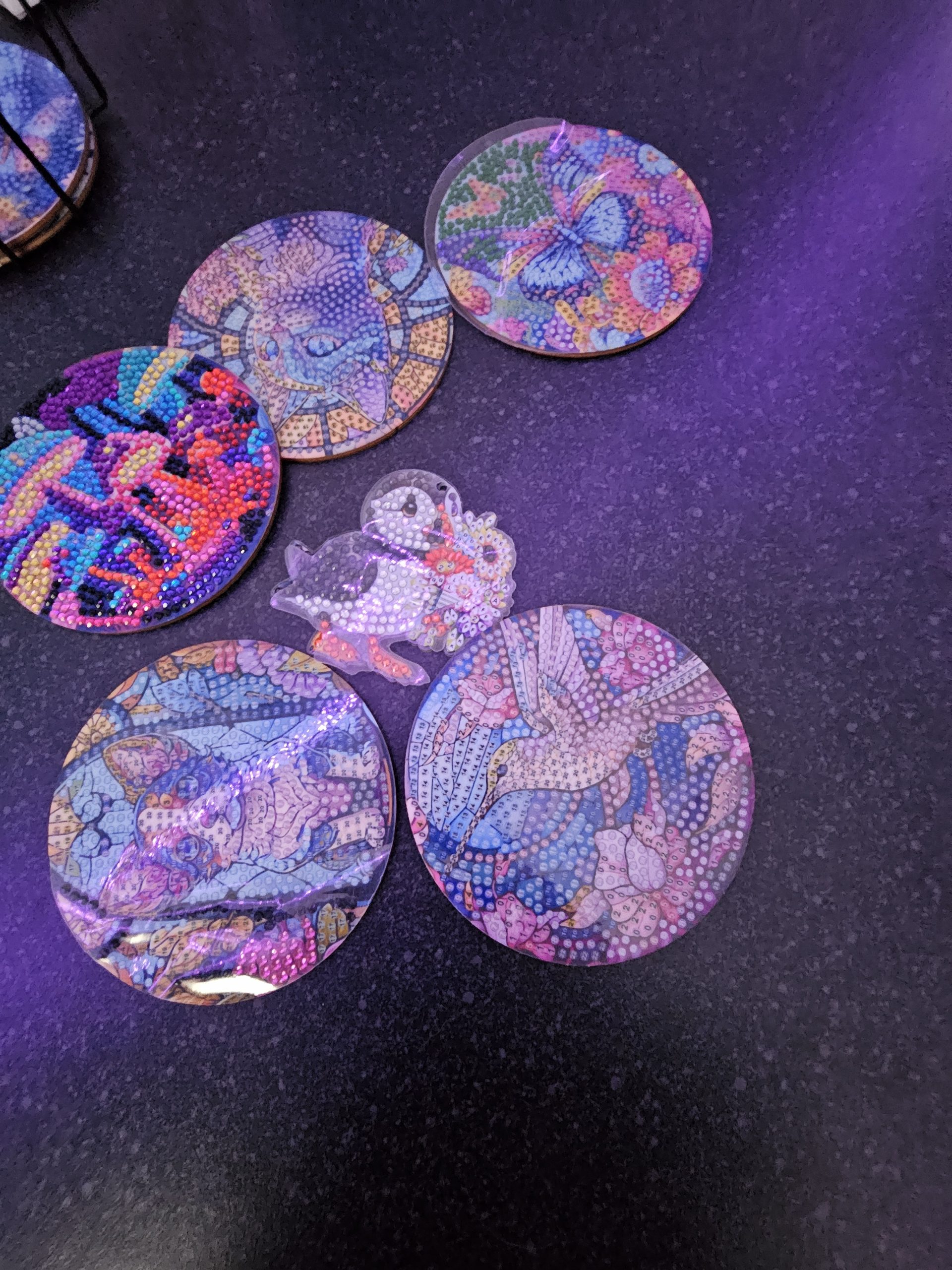
Our trauma informed support and therapeutic interventions are built around trust, relationships, and giving young people practical tools they can use every day to live, grow and thrive. We support KS1–KS4 learners with SEMH, bereavement, anxiety and emotional regulation through a mix of Art Therapy, Play Therapy and Sport Therapy — and sometimes it’s as simple as sitting down for a chat and a cup of coffee in a calm, safe space. A real strength of ours is supporting EBSA students, helping them rebuild confidence, re-establish routines, and take steady steps back into education at a pace that feels manageable. All students attending our AP have access to this support, and we also offer sessions privately, in school, or at our setting, depending on what works best for the young person and the family. Alongside therapy, we deliver targeted interventions including anger management, social skills, self-esteem, body confidence and anxiety support, helping each learner make sense of what’s happening and take positive steps forward. If you’re not sure what type of support is right, drop us a line and we’ll talk it through.

EBSA Support (Emotionally Based School Avoidance)
SEMH and SEND support for students with low attendance
EBSA support: why students stop attending
- Anxiety and panic around school or lessons
- Low self-esteem and fear of failure
- Sensory overload (noise, crowds, corridors, lunch times)
- Large class sizes and high social pressure
- Past experiences of bullying, conflict, or repeated sanctions
- Difficulty with change, transitions, or uncertainty
- Neurodiversity-related needs (autism, ADHD) and emotional regulation challenges
Read More
SEMH and SEND support for students with low attendance
EBSA support: why students stop attending
- Anxiety and panic around school or lessons
- Low self-esteem and fear of failure
- Sensory overload (noise, crowds, corridors, lunch times)
- Large class sizes and high social pressure
- Past experiences of bullying, conflict, or repeated sanctions
- Difficulty with change, transitions, or uncertainty
- Neurodiversity-related needs (autism, ADHD) and emotional regulation challenges
.