Common Challenges for Students with Special Educational Needs (SEN) and How Alternative Provision Helps
Many students with special educational needs face hurdles that make school feel overwhelming or even impossible. Anxiety at school, sensory processing challenges, and difficulties with traditional teaching methods often stand in the way of progress. At KRS Education, our alternative provision offers personalised learning and tailored therapies designed to build confidence and wellbeing, helping learners move forward with fresh hope and direction. For more insights, explore this resource.
Understanding SEN Challenges
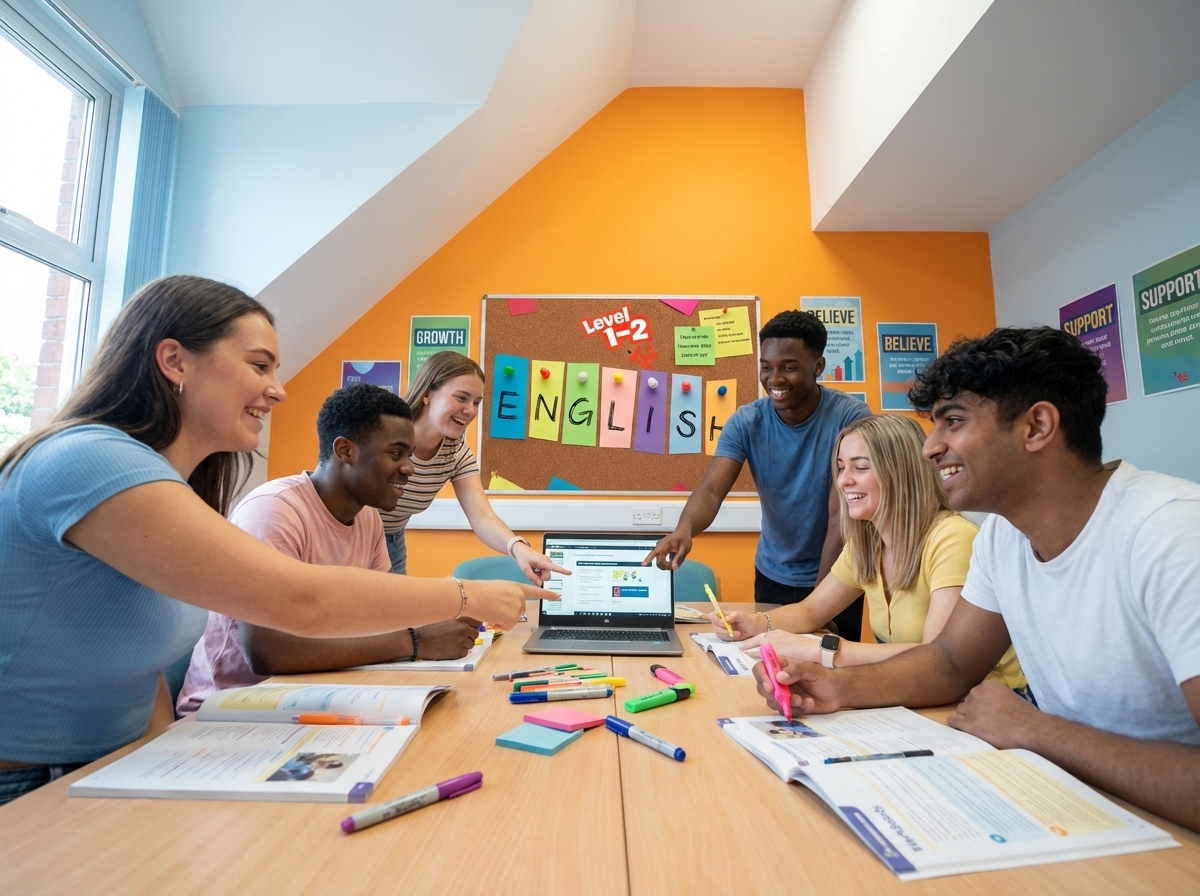
Understanding these challenges is the first step in creating a supportive learning environment. Let’s look at some common barriers faced by students with special educational needs.
Barriers to Learning
Barriers can significantly hinder progress in school. For instance, students might struggle with reading, writing, or understanding instructions. These difficulties often lead to frustration and disengagement. It’s important to recognise that these aren’t just academic issues. They also affect self-esteem and motivation.
Imagine a learner who finds maths challenging. Each lesson might feel like an uphill battle, leading to anxiety and avoidance. This isn’t just about the subject; it’s about how they see themselves as learners. It’s crucial to address these barriers to foster a positive educational experience.
Managing Anxiety at School
Anxiety is a significant concern for many learners with special educational needs. The pressure to perform, social challenges, and unfamiliar environments can trigger stress. Imagine a student who feels anxious walking into a noisy classroom. Every sound might feel overwhelming, making it hard to focus.
Addressing anxiety isn’t just about reducing stress. It’s about creating a space where learners feel safe and understood. Techniques like mindfulness and supportive teaching strategies can make a difference. For more on managing anxiety, visit this article.
Sensory Processing Difficulties
Sensory processing difficulties affect how learners experience the world. Bright lights, loud noises, or certain textures might be overwhelming. This can make school an uncomfortable place. Imagine trying to learn while feeling constantly bombarded by distractions.
Creating a supportive environment involves understanding these needs. Simple changes like dimming lights or offering quiet spaces can help. It’s about making school a place where learners feel comfortable and ready to engage.
Benefits of Alternative Provision

Alternative provision offers tailored support, addressing these challenges directly. By focusing on individual needs, it creates a more supportive learning environment.
Personalised Learning Plans
Personalised learning plans focus on each learner’s unique needs. This isn’t about fitting everyone into the same box. Instead, it’s about recognising strengths and areas for development. By tailoring lessons, learners receive an education that suits them.
For a student who struggles with traditional teaching methods, a personalised plan can make all the difference. It turns learning into a journey rather than a race. This approach not only boosts academic progress but also builds confidence and resilience.
Small Group and 1:1 Teaching
Small group and 1:1 teaching provide focused support. In smaller settings, learners receive more attention and guidance. This setup allows teachers to adapt lessons on the spot, addressing any challenges immediately.
For a student who feels lost in large classes, this focused attention is invaluable. It creates a space where they can ask questions and engage without fear. This approach fosters a deeper understanding and a love for learning.
Therapeutic Education Options
Therapeutic education combines learning with emotional support. This approach recognises that mental wellbeing is as important as academic success. Techniques like art, play, and Lego therapy offer creative outlets for expression.
Imagine a student who struggles with verbal communication. Through art therapy, they can express emotions in a safe environment. This not only aids emotional development but also supports academic progress. For more information, check this resource.
KRS Education’s Supportive Approach

KRS Education’s approach combines personalised learning with therapeutic support, creating a nurturing environment for all learners.
Tailored Post-16 Pathways
Post-16 learners often face uncertainty. Our tailored pathways offer guidance and support, helping them navigate this crucial stage. Whether it’s preparing for further education or employment, we provide the tools needed for success.
For students unsure of their next steps, having a clear pathway is empowering. It transforms uncertainty into opportunity, building confidence and direction.
Building Confidence and Wellbeing
Confidence and wellbeing are at the heart of our approach. We believe that when learners feel good about themselves, they’re more likely to succeed. Our programmes focus on building these foundations, ensuring a positive educational experience.
Consider a learner who’s struggled with low self-esteem. Through personalised support and encouragement, they begin to see their potential. This shift in perspective can have a profound impact on their educational journey.
How to Access Our Services
Accessing our services is straightforward. We’re here to help, whether you’re a parent seeking support or a school looking for alternative provision. Our team is ready to discuss your needs and find the right solution for your learner.
If you’re interested in learning more about how we can support you or your child, please reach out. We’re committed to providing the guidance and resources needed for success. Visit KRS Education to learn more about our services.
Learn how to support every learner’s unique needs with KRS Education